Best Things to Do Outdoors in Winter Park
July 23, 2026
July 23, 2026
If you are drawn to places where a simple walk can turn into a garden visit, a lake view, or a quiet hour under shady trees, Winter Park makes a strong first impression. Its outdoor appeal feels polished but easy to enjoy, whether you are visiting for the day or thinking about making the area home. In this guide, you will get a clear look at the parks, gardens, lakes, and trails that shape everyday life here. Let’s dive in.
Winter Park’s outdoor lifestyle is not accidental. The city actively promotes walking and bicycling and provides free maps for both, all tied to a vision of a walkable, bicycle-friendly, treed, relaxed, and beautiful urban village.
That planning shows up in the details. The city’s landscaping division maintains Park Avenue, the Central Park Rose Garden, and many public parks, buildings, and boulevards, which helps give Winter Park its manicured, well-kept look.
For you as a visitor or future buyer, that means outdoor time can feel very natural here. You are not limited to one big attraction, because the city’s public spaces connect parks, trails, lakes, and gardens into a broader lifestyle.
Central Park is an 11-acre park in downtown Winter Park along Park Avenue. The city calls it the crown jewel of the local park system, and it is easy to see why once you notice the fountains, landscaped planters, oak canopy, and the Rose Garden along the southern edge.
This is the kind of park that supports both everyday routines and major community events. It hosts activities throughout the year, including the Winter Park Sidewalk Art Festival and the Olde Fashioned 4th of July Celebration.
If you enjoy people-watching, a shaded stroll, or a break between nearby errands and dining, Central Park is often the first place to start. One practical note is that pets are not allowed here, which gives the space a more formal downtown feel.
Mead Botanical Garden gives you a different outdoor experience from Central Park. At 47.6 acres, it offers more space to explore, with free admission and daily hours from 8:00 a.m. to dusk.
Inside the garden, you will find hiking trails, a creek, boardwalks, tall pine trees, a greenhouse, a butterfly garden, and a pond with turtles, fish, and wading birds. It feels less structured than downtown and more like a place where you can slow down and stay awhile.
For buyers exploring Winter Park, Mead helps show that the city’s outdoor appeal is not limited to formal landscapes. You also have access to a more natural setting that still feels woven into the community.
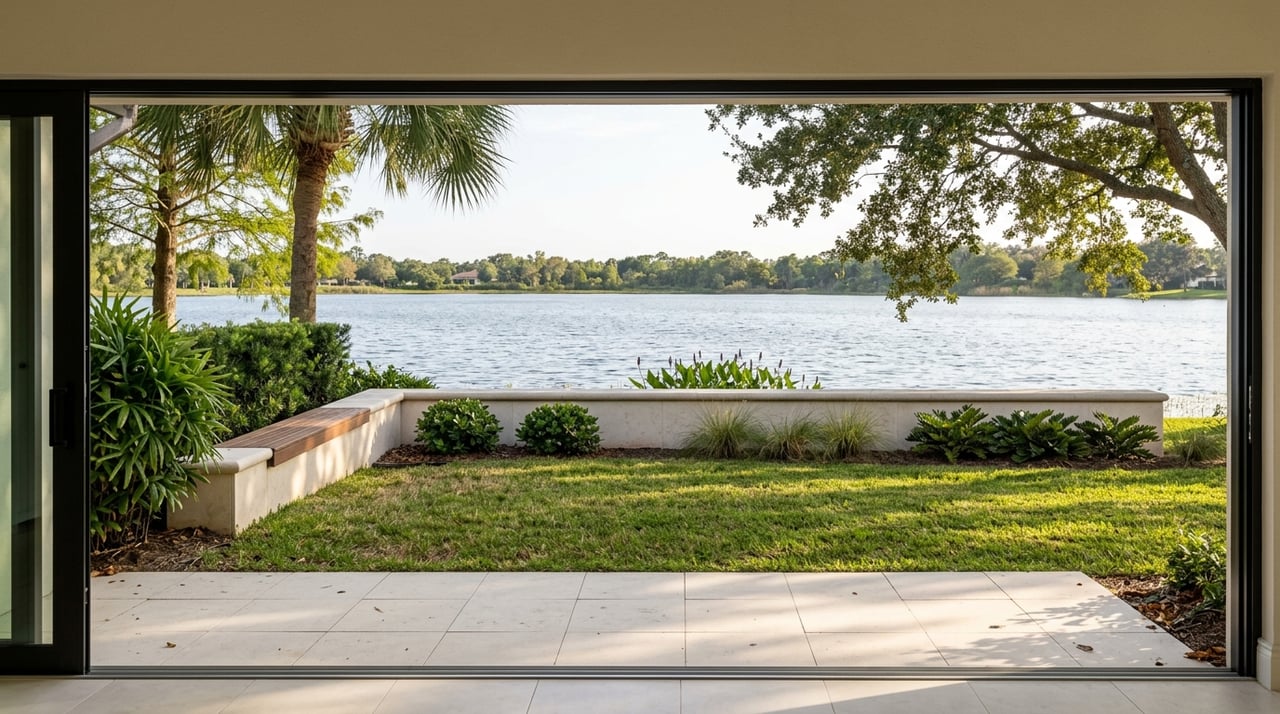
Kraft Azalea Garden is a 5.22-acre public garden on the shore of Lake Maitland. The city describes it as a secluded, old Florida style lakeside garden, and that quieter atmosphere is a big part of its appeal.
Open year-round from 8 a.m. until dusk, this garden is well suited for a peaceful walk, a moment by the water, or a change of pace from busier public spaces. It is a strong example of how Winter Park layers outdoor access across different moods and settings.
If your ideal day includes water views without needing a full activity plan, Kraft Azalea Garden is worth knowing. It gives you a simple, elegant way to enjoy the lakes that define so much of Winter Park’s character.
The Albin Polasek Museum & Sculpture Gardens adds another dimension to outdoor living in Winter Park. Here, you can tour the artist’s home, galleries, and sculpture gardens set along Lake Osceola.
Guided tours of the historic residence, chapel, and sculpture garden are included with admission. That mix of art, history, and lakefront scenery reflects a broader truth about Winter Park: nature and culture often go hand in hand.
For anyone considering a move, that balance matters. It suggests a lifestyle where an afternoon outdoors can also feel thoughtful, creative, and distinctly local.
You do not need to own waterfront property or keep a private boat to enjoy Winter Park’s lake system. One of the best-known ways to experience it is the Scenic Boat Tour, which has operated since 1938 and offers hour-long guided tours through the area’s lakes and canals.
Tours depart every hour from 10 a.m. to 4 p.m. on a first come, first served basis. The route matters because Lake Osceola connects through navigable canals to Lakes Virginia and Maitland, with access to a total of five lakes in Winter Park and Maitland.
This gives you a memorable overview of the area’s setting. It is also a practical reminder that the lake lifestyle here can be experienced in a very accessible way.
If you want a more active day on the water, Dinky Dock Park is a helpful local resource. The city says it offers a fishing pier, boat ramp, swimming access, and first come, first served launch space, and canoes, kayaks, and paddleboards do not require a launch fee.
Lake Baldwin Park offers another kind of lake outing. This 23.16-acre lakeside park includes a sandy beach, dock, picnic areas, and a boat ramp for boats with no gas engines.
It is also the city’s designated dog-friendly park, with off-leash hours from 8 a.m. to sunset. Swimming is not permitted at Lake Baldwin Park, but it still works well for shoreline walks, quiet lake views, and time outside with your dog.
That contrast with Central Park is useful. In Winter Park, you can choose between a more formal downtown green space and a casual, pet-friendly lakeside park depending on how you want to spend the day.
Winter Park’s outdoor lifestyle is not only about destination parks. The city also supports everyday movement through free walking and cycling maps that highlight bike lanes, shared-use paths, and streets commonly used by cyclists.
Named route resources include Cady Way Trail, Downtown Pedestrian Walk, Lake Baldwin Trail, Pennsylvania Walk, Ward Park Mead Garden Trail, and a Downtown Cardio Trail brochure. That makes it easier to build outdoor time into your normal routine rather than treating it as an occasional outing.
The Cady Way Trail stands out if you want a longer route. Orange County describes it as a 7.2-mile paved corridor connecting Orlando and Winter Park, with water fountains, sheltered rest stops, and emergency response markers every tenth of a mile.
For buyers comparing Central Florida communities, this kind of infrastructure matters. It shows that Winter Park supports active living in a practical, everyday way.
Howell Branch Preserve gives you a more natural and less programmed outdoor option. The city describes it as a 10.38-acre site surrounded by wetlands and natural habitat.
This is the kind of place that can appeal to you if you prefer a quieter setting over more active parks and event spaces. It rounds out Winter Park’s outdoor mix by showing there is room here for both polished public landscapes and more natural environments.
That variety is part of what makes the city so appealing. You can shape your outdoor routine around energy and activity, or around stillness and scenery.
Winter Park’s outdoor identity is layered in a way that feels both refined and approachable. You can move from a downtown park to a botanical garden, a sculpture garden, a paved trail, or a lakefront access point without leaving the broader character of the city.
For some people, that translates into morning walks and bike rides. For others, it means weekend garden visits, waterfront views, or a scenic boat outing when guests are in town.
If you are considering buying or selling in Winter Park, these places are more than amenities. They help define how daily life feels here, and they often become part of why people choose the area in the first place.
Whether you are looking for a home near walkable green space, a property that fits an active routine, or a setting that blends beauty with convenience, local lifestyle insight matters. If you are exploring Winter Park or planning your next move, Denise Beserock offers polished, high-touch guidance tailored to your goals.
Stay up to date on the latest real estate trends.
Partner with Denise to turn your real estate goals into reality. Enjoy personalized service and dedicated guidance throughout every step for exceptional results.