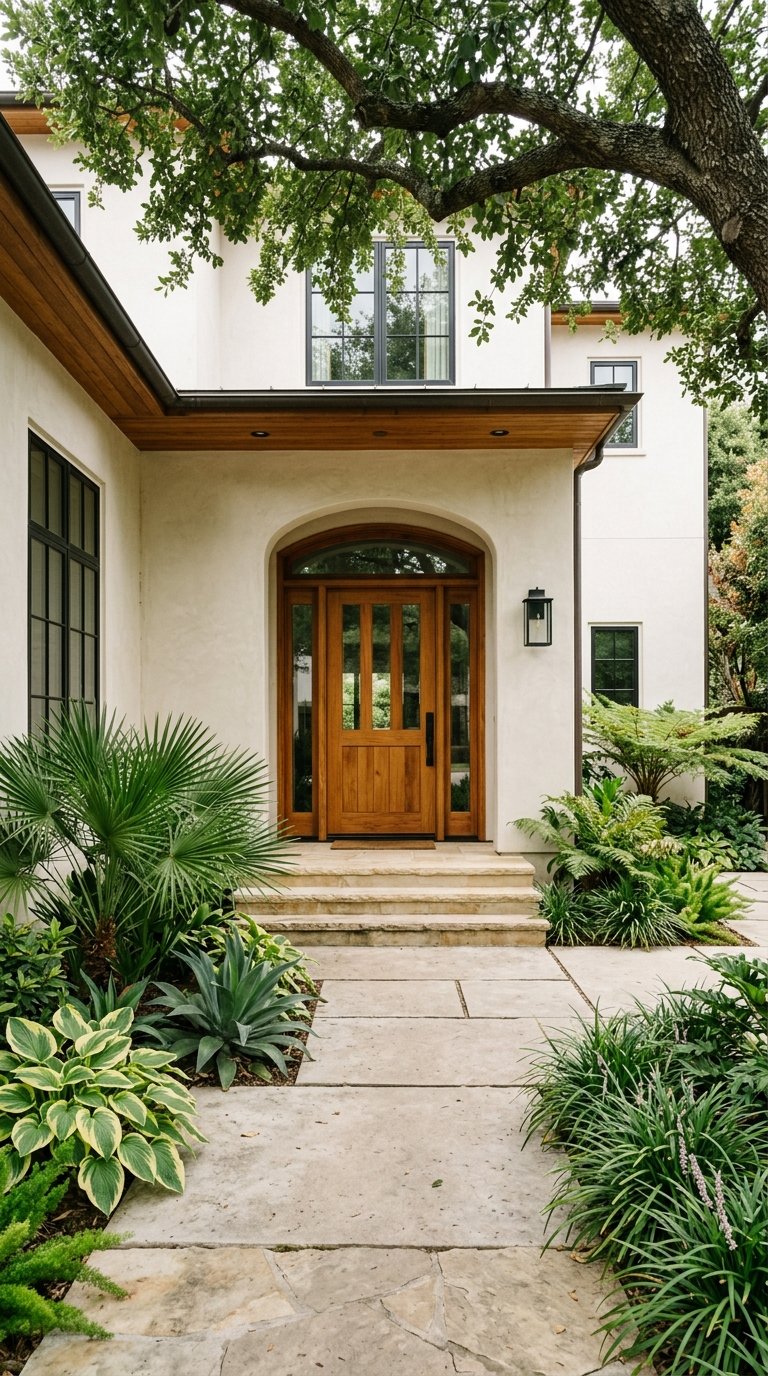
Exploring Winter Park’s Distinct Neighborhoods And Home Styles
June 4, 2026
June 4, 2026
If you are drawn to Winter Park, chances are you are not just shopping for square footage. You are looking for a setting that fits how you want to live, whether that means a walkable routine near Park Avenue, a historic home with architectural character, or a lake-oriented address with a strong sense of place. The good news is that Winter Park offers distinct neighborhood pockets, each with its own rhythm, housing patterns, and lifestyle advantages. Let’s take a closer look.
Winter Park is a 10-square-mile city just north of Orlando with more than 30,000 residents. Its residential identity is shaped by the chain of lakes, Rollins College, Park Avenue, and a citywide focus on walking, bicycling, LYNX, and SunRail.
That mix gives the city an unusual balance. You can find historic homes, mixed-use districts, campus-adjacent streets, and lakefront corridors all within a relatively compact area. For buyers and sellers alike, that means neighborhood choice matters just as much as home size or finish level.
Winter Park’s housing story developed in layers. The city’s historic fabric includes late-1800s grove houses and winter cottages, 1920s boom-era subdivisions, and later infill development.
According to the city’s preservation office, Winter Park has more than 700 historic structures, representing about 7% of residential dwellings. Early-20th-century styles commonly found here include Bungalow, Colonial Revival, Spanish Colonial, Mediterranean Revival, and Mission Revival.
This matters because home style often shapes more than curb appeal. It can influence maintenance needs, renovation possibilities, and the overall feel of a block or district.
Downtown Winter Park centers around Park Avenue and Central Park, in and around the Downtown Winter Park Historic District. This district covers about 75 acres across parts of nineteen blocks and includes a mix of commercial, governmental, religious, residential, and transportation uses.
In practical terms, this is one of the city’s most active and walkable settings. Central Park sits in the downtown shopping district and hosts major community events such as the Winter Park Sidewalk Art Festival and the Olde Fashioned 4th of July Celebration.
If you want a daily routine built around dining, shopping, museums, and public events, this pocket stands out. Park Avenue is known for boutiques, sidewalk cafes, fine dining restaurants, museums, a Saturday farmers’ market, and access to the Scenic Boat Tour.
Because this area is more mixed-use than purely residential, it tends to appeal to buyers who value energy, convenience, and a central location over a quieter tucked-away feel.
College Quarter sits beside Rollins College, Lake Virginia, Alfred J Hannah Mini Park, and the SunRail corridor. The older subdivision within this area, known as College Place, was developed in 1920 as year-round housing for businessmen and Rollins professors rather than seasonal retreats.
That history still shows in the streetscape. The building stock is mostly Bungalow, Mission, and Colonial Revival, with many bungalow variations.
This area is a useful option if you want a more residential setting while staying close to Park Avenue and the cultural presence of Rollins College. It also offers proximity to Lake Virginia recreation without placing you directly in the downtown core.
For many buyers, College Quarter strikes a middle ground. It feels connected and convenient, but often more quietly residential than the busiest blocks near Park Avenue.
East Virginia Heights is centered around Lake Virginia, Richmond Road, Lakeview Drive, Virginia Drive, Glencoe Avenue, and nearby Bonnie Burn Mini Park. The city survey describes Virginia Heights as a substantial subdivision developed after 1923.
The homes here are known for larger two-story Colonial Revival and Spanish Colonial houses, with only a small number of modest bungalows. That makes this area one of the clearest examples of substantial 1920s architecture near the lakes.
The district also includes the Ellno-Willo subdivision along Virginia Drive, where several prominent Spanish Colonial and Mediterranean-style homes were designed by local architect D. Harold Hair. If architectural presence is high on your list, this is a pocket worth comparing carefully.
For buyers who want a stronger sense of scale, historic character, and proximity to Lake Virginia, this area often feels more residentially grand than bungalow-heavy neighborhoods elsewhere in the city.
Interlachen Avenue is one of Winter Park’s official historic districts. The city’s preservation survey notes that Interlachen Avenue and Palmer Avenue are significant for cohesive collections of period architecture.
North Interlachen is noted for intact Colonial Revival collections, while Palmer Avenue is associated with large 1920s villas facing Lake Osceola. The surrounding area also includes notable landmark resources such as Casa Feliz and the Winter Park Country Club & Golf Course.
Lake Osceola is the middle lake in the Winter Park chain, connected by canals to Lake Virginia and Lake Maitland. The Scenic Boat Tour departs from the east end of Morse Boulevard on Lake Osceola, reinforcing this pocket’s strong connection to Winter Park’s lake identity.
If you are comparing areas for lake presence and quick access to the cultural core, this corridor stands out. It combines architectural continuity, water adjacency, and close-in convenience in a way that is especially appealing to buyers seeking a signature Winter Park address.
Golfview Terrace is described by the city survey as one of the smallest and most intact 1920s subdivisions in Winter Park. Developed in 1921 north of the Winter Park Golf Course, it is made up mostly of two-story stucco and frame homes in Colonial Revival or Mission styles.
The neighborhood also includes a small circular park with a fountain, which adds to its defined historic character. Nearby Old England Avenue is also recognized for intact Colonial Revival examples.
This pocket offers a different experience than downtown or the larger lakefront corridors. It is less mixed-use than Park Avenue and less estate-driven than some waterfront stretches.
For buyers who appreciate a compact setting with strong architectural continuity, Golfview Terrace is one of the clearest examples in Winter Park.
Hannibal Square is Winter Park’s historically African-American section, located north of Fairbanks Avenue and mostly south of Morse Boulevard. The city survey notes that it developed differently from the city’s purely residential subdivisions because it also included churches, schools, a library, and businesses.
Most homes are simple one- or one-and-one-half-story frame bungalows with metal roofs and front porches. The area still retains a high level of architectural cohesiveness.
The city’s cultural map highlights both the Hannibal Square Shopping District and the Hannibal Square Heritage Center as separate points of interest. That reinforces the area’s mixed-use, historically layered identity.
For buyers, this pocket is best understood as compact, urban in pattern, and rich in local history. It offers a very different neighborhood experience from larger lake-oriented or estate-style sections of Winter Park.
Winter Park’s chain of lakes plays a major role in how different areas feel. The city identifies Lake Virginia, Lake Osceola, Lake Maitland, and Lake Sue among the lakes in the chain system.
Lake Virginia borders Rollins College and Dinky Dock Park, while Lake Osceola connects by canal to Lake Maitland. Lake Virginia is also described by the city as a popular fishing and water-skiing lake.
Parks help define daily life in different parts of the city. Central Park serves as the downtown event lawn, while Mead Botanical Garden offers 47.6 acres with an amphitheater, butterfly garden, boardwalk, and bike trail.
Cady Way Park adds another recreational option with softball fields, tennis, pickleball, a playground, a pool, and access to the Cady Way Trail. If outdoor access matters to you, these amenities can be just as important as the home itself.
Winter Park is not only about architecture and lake views. The city also promotes walking, bicycling, LYNX bus service, and SunRail as part of everyday mobility.
Its public walking and cycling maps include routes such as the Downtown Pedestrian Walk, Cady Way Trail, Golfside Walk, Lake Baldwin Trail, Pennsylvania Walk, and the Ward Park Mead Garden Trail. That means two neighborhoods with similar home styles can still feel very different based on how easily you can move around without driving.
For many buyers, this becomes a quality-of-life factor. A home near the places you visit often can change how you experience the city day to day.
Historic character is a major part of Winter Park’s appeal, but it also comes with practical considerations. The city uses Certificate of Review applications for additions and alterations to historic properties, and the Historic Preservation Board helps guide exterior changes in designated districts and landmarks.
If you are buying a historic home, it is wise to understand how designation may affect future updates. If you are selling one, it is equally important to position that character thoughtfully and communicate what makes the property special.
In Winter Park, preservation is not just about appearance. It can influence renovation flexibility, long-term stewardship, and buyer expectations.
If you are narrowing your options, it helps to think in terms of lifestyle first and architecture second. Each pocket tends to match a different routine.
Here is a simple way to frame the comparison:
The right fit depends on how you want your home to function in daily life. In Winter Park, neighborhood choice is often what turns a good home into the right home.
If you are planning a move in Winter Park, thoughtful neighborhood guidance can make the process far more clear. Whether you are buying a distinctive historic property, preparing to sell an architecturally significant home, or comparing lifestyle options across the city, working with an advisor who understands the nuances can help you move with confidence. When you are ready for a polished, high-touch real estate experience, connect with Denise Beserock.
Stay up to date on the latest real estate trends.
Partner with Denise to turn your real estate goals into reality. Enjoy personalized service and dedicated guidance throughout every step for exceptional results.