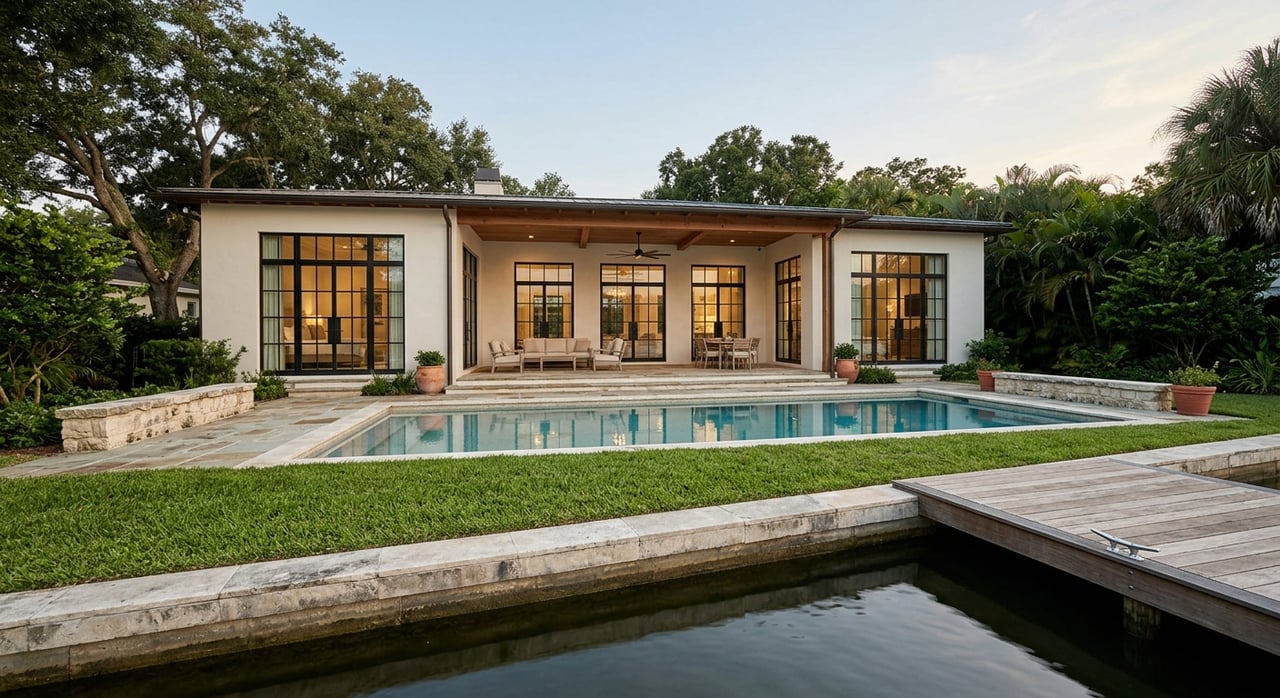
Why the Winter Park Lakefront Lifestyle Stands Apart
May 21, 2026
May 21, 2026
What does everyday luxury actually look like in Winter Park? For many buyers, it means waking up to water views, having the chain of lakes woven into daily life, and still being just minutes from Park Avenue, Central Park, and some of the city’s best-known cultural destinations. If you are curious about what makes lakefront living here so special, this guide will walk you through the lifestyle, the practical details, and why waterfront homes in Winter Park continue to stand apart. Let’s dive in.
Winter Park is a compact city of about 10 square miles, located just three miles north of Orlando, with more than 30,000 residents. The city describes itself as an urban village known for elegant homes, bricked streets, a strong tree canopy, Park Avenue shopping and dining, museums, and Rollins College. That mix gives the area a polished, established feel that many buyers are looking for.
What sets Winter Park apart is how naturally the waterfront fits into the city’s identity. The lakes are not tucked away as an afterthought. They are one of the defining features of the community, shaping both the scenery and the rhythm of everyday life.
One of the biggest draws of lakefront living in Winter Park is the city’s navigable chain of lakes linked by canals. This connected system creates a lifestyle that feels both scenic and active. For homeowners, that can mean mornings on the water, casual afternoon rides by boat, or quiet evening views from your own backyard.
Lake Osceola is one of the city’s best-known waterfront landmarks and home to the scenic boat tour. It reflects the broader appeal of the chain, where the water is not only beautiful but also part of how people experience Winter Park. That visibility helps reinforce the idea that lakefront living here is a daily experience, not just a weekend amenity.
Winter Park’s lakes support a wide range of outdoor activities. The city frames them as an active recreation environment for boating, skiing, and angling, which adds energy to the waterfront lifestyle. If you enjoy being outside, the lakes offer more than just a pretty backdrop.
For paddlers, access is especially straightforward. Canoes, kayaks, and paddleboards can be launched without a fee, making it easier to enjoy the water regularly. That simple detail matters because it turns the lakes into something you can use often, not just admire from a distance.
If you are considering a property with lake access, it helps to understand the basics of boating in Winter Park. Motorboats require a city boat sticker or day pass before launching on the chain of lakes. The city also limits boats on the chain to under 24 feet, with canal width restrictions that matter for navigation.
Dinky Dock Park offers a public launch with first-come, first-served trailer parking. Even for residents who own waterfront property, these city rules help shape how the lakes function and preserve a manageable, enjoyable boating environment.
Not all waterfront markets feel equally special, and Winter Park’s limited public access is part of the reason. City planning documents note that access to the lakes is concentrated at city lakefront parks and public boat ramps rather than spread widely across the city. That helps explain why direct waterfront homes often feel scarce.
Scarcity alone does not create value, but scarcity paired with a strong lifestyle usually does. In Winter Park, buyers are not just paying for water frontage. They are often buying into a setting where access, views, and long-term character feel intentionally preserved.
A major reason Winter Park lakefront living feels luxurious is that it combines waterfront calm with urban convenience. In some markets, living on the water can mean feeling removed from the center of town. Winter Park offers a different experience.
Park Avenue, Central Park, museums, and other cultural destinations sit within the city’s compact core. That means your day can move easily between quiet waterfront moments and an active downtown setting with shopping, dining, and public events.
Central Park sits on Park Avenue in the heart of the downtown shopping district and hosts major city events, including the Winter Park Sidewalk Art Festival and the Olde Fashioned 4th of July Celebration. This gives downtown a true civic presence, not just a commercial one. It feels lived in, active, and connected to the broader community.
That sense of energy is reflected in foot traffic as well. City performance materials report 3.3 million pedestrian visits to Downtown Park Avenue in 2024. For buyers, that is a strong sign that walkability and day-to-day activity are central to the Winter Park experience.
Winter Park also leans heavily into arts and culture. The city’s directory includes destinations such as the Charles Hosmer Morse Museum of American Art, Rollins Museum of Art, Annie Russell Theatre, Winter Park Playhouse, and Casa Feliz Historic Home Museum. The Downtown Winter Park Historic District along Park Avenue is also listed on the National Register of Historic Places.
For homeowners, this cultural setting adds texture to daily life. Lakefront living here is not only about privacy and views. It is also about being close to a city that values preservation, design, and a strong sense of place.
Luxury often comes down to how a place makes you feel on an ordinary Tuesday, not just during special occasions. Winter Park’s public waterfront spaces help show why the lake lifestyle feels so appealing year-round. The scenery is part of daily life, even when you are off the water.
Kraft Azalea Garden, a 5.22-acre public garden on the shore of Lake Maitland, is one of the clearest examples. It offers a peaceful waterfront setting that reflects the calmer side of Winter Park. The scenic boat tour on Lake Osceola adds another layer, showing how the lakes remain one of the city’s most memorable visual experiences.
If you are exploring lakefront homes in Winter Park, the lifestyle story is only part of the picture. Ownership comes with regulations designed to manage the shoreline carefully. For many buyers, that is not a drawback. It is part of what helps protect the setting over time.
The city requires permits for shoreline vegetation removal, docks, and boathouses. It allows one dock or boathouse per residential shoreline, and vegetation rules require a 50-foot or 50 percent access corridor, whichever is less. Shoreline armoring, including seawalls or rip-rap, also requires city approval.
Winter Park’s comprehensive plan includes floodplain rules and a minimum 50-foot lakefront setback for lakefront construction. According to the city, these standards are meant to support environmental protections and property-value protections. In practical terms, they help explain why many waterfront streets feel preserved rather than overbuilt.
For buyers, this is an important part of due diligence. A lakefront property may offer incredible lifestyle value, but the details of docks, boathouses, shoreline work, and future improvements should always be reviewed carefully.
A beautiful lake is only part of the story. Ongoing management matters too, especially for buyers who want confidence in the long-term care of the waterfront environment. Winter Park actively monitors its lakes rather than leaving conditions to chance.
The city monitors 22 permanent water-quality stations across 21 lakes and the outfall canal. City materials also note that beach areas are posted when bacteria counts exceed Florida guidelines. That level of oversight supports the idea that waterfront living in Winter Park is paired with active stewardship.
Winter Park’s broader housing market points to continued demand, though different data sources track pricing in different ways. Zillow reported an average Winter Park home value of $465,527 as of April 30, 2026, with homes going pending in around 20 days. Redfin reported a March 2026 median sale price of $790,000 and 46 median days on market, while Realtor.com reported a March 2026 median listing price of $565,500 and described Winter Park as a seller’s market.
While those figures are citywide rather than lakefront-specific, they help provide context. Combined with limited public lake access, shoreline regulations, and the city’s preserved character, they support the view that Winter Park waterfront homes are often valued as scarce lifestyle properties.
If you want a home that blends natural beauty with a polished city setting, Winter Park deserves a close look. The appeal is not only about the water itself. It is about having boating, paddling, gardens, cultural venues, downtown activity, and established residential character all in one compact place.
For some buyers, that means prioritizing private frontage and direct lake access. For others, it means finding a home near the lakes that still captures the atmosphere and convenience that make Winter Park unique. Either way, understanding both the lifestyle and the regulations is key to making a smart move.
If you are considering a lakefront purchase or preparing to sell a distinctive waterfront home in Winter Park, thoughtful guidance matters. For tailored insight and concierge-style support, connect with Denise Beserock.
Stay up to date on the latest real estate trends.
Partner with Denise to turn your real estate goals into reality. Enjoy personalized service and dedicated guidance throughout every step for exceptional results.