
Selling A Distinctive Winter Park Home: Strategy For Standout Listings
June 25, 2026
June 25, 2026
Wondering why one Winter Park home draws immediate interest while another sits, even when both seem impressive on paper? If you are selling a distinctive property here, the answer is usually not just price. It is how well the home’s rarity, condition, documentation, and local fit are presented to the market. In a place as layered as Winter Park, a standout sale takes more than a standard listing plan. Let’s dive in.
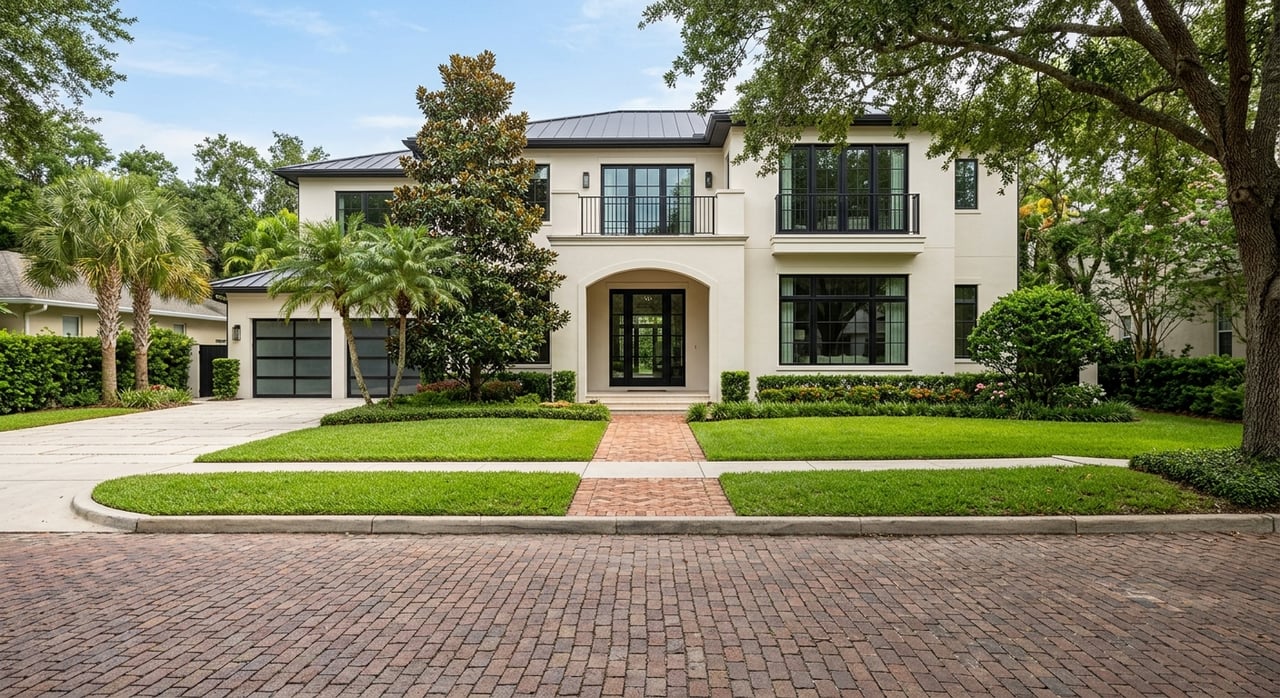
Winter Park has a strong identity rooted in architecture, lakes, and historic character. The city describes itself as a city of arts and culture, notes that the Downtown Winter Park Historic District along Park Avenue is listed on the National Register of Historic Places, and says it has recorded more than 700 historic structures. That context matters because buyers often respond to more than square footage alone.
The lakes are also central to how many buyers value property here. The city identifies its lakes as a defining community feature, and the Chain of Lakes includes the greatest number of lakefront homes. If your property has water frontage, water views, lake access, or shoreline features, those details often belong at the center of the listing strategy.
Winter Park also behaves like a collection of micro-markets rather than a single price band. Recent market snapshots show citywide medians, but the spread within Winter Park is wide. Realtor.com reports median listing prices ranging from about $629,000 in Winter Park Pines to roughly $1.137 million in Kenilworth Shores, with ZIP 32789 around $1.3675 million and ZIP 32792 around $377,450.
That kind of range is exactly why distinctive homes need custom positioning. A lakefront residence, a historic property, and a renovated custom home should not be priced or marketed as if they compete with every listing in the city. Your home needs to be measured against its closest true peers.
A distinctive Winter Park home should be priced from a narrow, property-specific comp set. That often means looking at the same architectural era, similar renovation quality, comparable lot orientation, similar water access, or the same historic district. In many cases, broad citywide averages are simply too blunt to be useful.
This matters even more because current market data can tell different stories depending on what is being measured. Realtor.com’s Winter Park sellers snapshot shows about 343 active listings, a median listing price near $600,000, a median price per square foot of $345, a median 57 days on market, and a 98% sale-to-list ratio. Redfin’s May 2026 closed-sale snapshot shows a median sale price of about $799,522 and 27 days on market.
Those figures are not directly comparable because one reflects active listings and the other closed sales. Still, together they reinforce an important point: pricing a distinctive home by headline median alone can miss the mark. A stronger strategy is to price from current competition and the most relevant recent sales in your specific segment.
When a unique home is priced from the wrong comp set, two problems can follow. First, buyers may feel the home is out of step with realistic alternatives. Second, sellers can lose leverage if the property sits while better-positioned listings capture attention.
On the other hand, thoughtful pricing can create confidence. When buyers see that the asking price is supported by the home’s architecture, condition, location, and documented features, negotiations tend to begin from a stronger place.
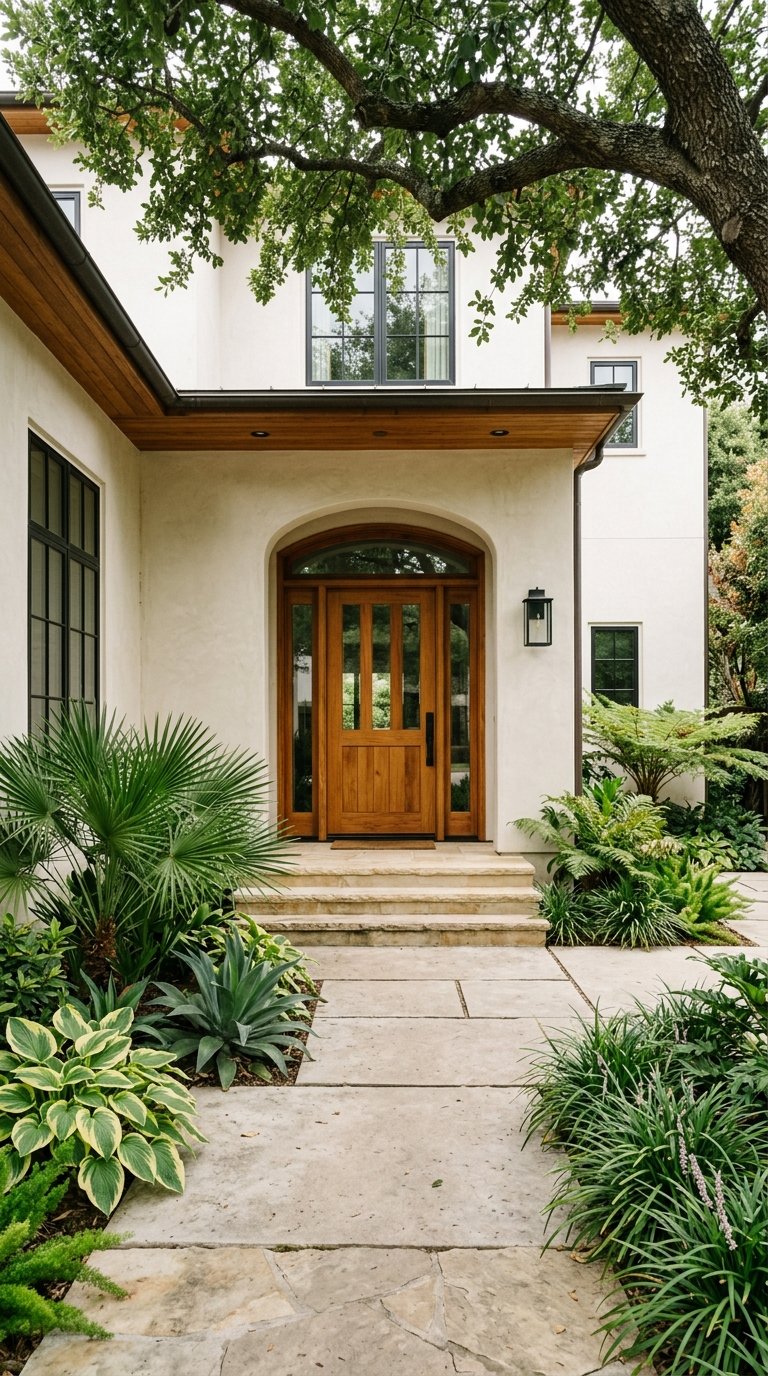
If your home has historic significance or sits in a historic district, authenticity becomes part of value. Winter Park administers a Historic Preservation Ordinance, maintains a local Register of Historic Places, and receives Certificate of Review applications for additions and alterations to historic properties. The city also notes that interior remodeling is not reviewed, while new construction in a historic district should complement the district’s height, materials, roof form, massing, setback, and rhythm of openings.
For a seller, that means the story is not just what was updated, but how it was updated. Buyers may place real value on preserved original materials, period-appropriate improvements, and changes that respect the property’s historic setting.
A strong listing for this kind of home should clearly explain:
Distinctive homes benefit from a property dossier, especially older or historic properties. Useful materials often include the survey, permit history, and any historic designation or Certificate of Review status. Having these items organized early can reduce uncertainty and help serious buyers evaluate the home with greater confidence.
In Winter Park, waterfront property often carries a premium, but it also comes with practical questions. Shoreline alteration permits are required for aquatic vegetation removal. Docks and boathouses need site plan approval before a building permit can be issued, and shoreline armoring or seawall work requires a shoreline alteration permit, with some work also needing state approval.
That means lakefront value is shaped by both experience and compliance. Buyers are often not just asking whether the view is beautiful. They also want to know how the shoreline has been maintained, what structures were permitted, and what may be required for future changes.
Winter Park also has boating rules that can affect expectations. The city states that a boat sticker or day pass is required for motorboats on the chain of lakes, and boats launched or operated there must be under 24 feet. For the right buyer, these details are part of how they judge the property’s fit for their lifestyle.
If your home is on the water, be ready to explain the property clearly and calmly. That preparation may include:
This kind of preparation does more than answer questions. It helps defend value during due diligence.
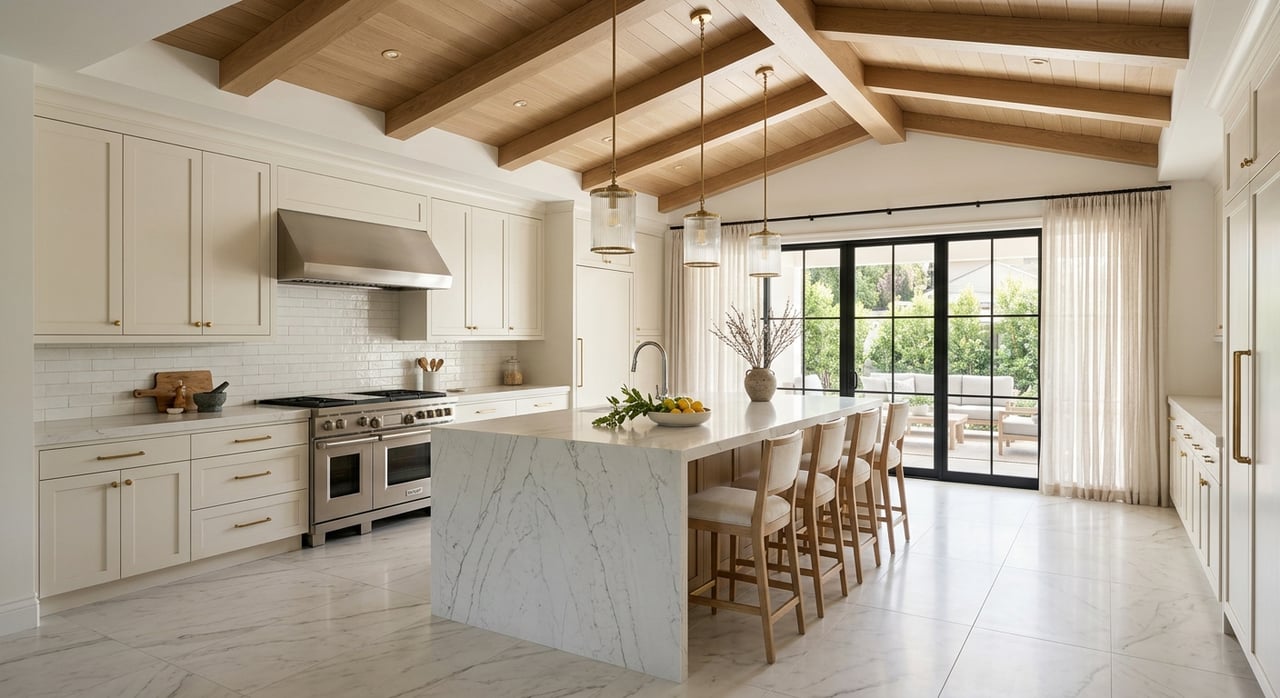
The best marketing strategy for a distinctive Winter Park home is often built around place, architecture, condition, and scarcity. Winter Park’s public-facing identity emphasizes lakes, parks, historic sites, arts, and Park Avenue. Many buyers are purchasing into that setting as much as they are purchasing a house.
That is why a strong listing should identify the home’s most defensible rarity. It may be direct water access, preserved original details, architect-designed lines, a notable setting, or a level of renovation that is hard to find nearby. The goal is not to overstate. The goal is to define what truly makes the home difficult to replace.
A premium listing should go live only after the home is fully prepared. Realtor.com’s 2026 Best Time to Sell report points to mid-April, specifically April 13 to 19, as a national window that has historically offered more views and less competition. That is not a Winter Park-specific rule, but it can still be a useful planning benchmark when paired with local inventory and your home’s readiness.
In other words, timing can help, but preparation comes first. If a distinctive home launches before pricing, presentation, and documentation are in order, a favorable calendar window may not make up the difference.
Distinctive listings often bring more buyer scrutiny, not less. In Florida, a seller who knows of facts that materially affect value and are not readily observable and not known to the buyer has a duty to disclose them. That obligation does not disappear because a property is sold as-is.
For older or lakefront homes, negotiations often turn on latent issues rather than surface-level cosmetics. Common pressure points may include flood history, drainage concerns, shoreline compliance, roof condition, and sanitary sewer lateral issues. The more clearly you prepare for those discussions, the more likely you are to preserve momentum when a serious buyer steps forward.
Florida law also requires several disclosures that sellers should be ready for before contract execution or at contract stage. These include a property tax disclosure summary, disclosure of known defects in sanitary sewer laterals, and a flood disclosure at or before contract execution. Florida guidance also says a seller must disclose if a sinkhole claim was made and paid by the insurer, including whether funds were used to repair the damage.
When documentation is complete, negotiations tend to become more focused and efficient. Instead of reacting to surprises, you can respond with records, context, and a clearer explanation of value. That does not remove every issue, but it often improves your ability to hold your position.
If you are selling one Florida homestead and buying another, planning should include tax timing. The Orange County Property Appraiser says homestead exemption can save up to $750 per year, caps assessed-value growth at 3% annually, and allows portability of up to $500,000 in accumulated savings to another Florida homestead if the prior homestead was in place as of January 1 within the last three years. A new application is required after a move.
That may not change your listing strategy directly, but it can affect your move timeline and net proceeds planning. For some sellers, understanding portability early helps shape when to list, when to close, and how to coordinate the next purchase.
Selling a distinctive Winter Park home is less about flashy marketing and more about disciplined execution. This market is segmented, documentation-sensitive, and shaped by location-specific rules that can affect value and buyer confidence. When your home is unusual in the best sense, the strategy should be just as tailored.
You want a plan that combines pricing discipline, elevated presentation, thorough preparation, and steady negotiation. In a market like Winter Park, that is often what helps a standout listing sell with stronger positioning and fewer avoidable setbacks.
If you are preparing to sell a distinctive home in Winter Park, Denise Beserock offers polished guidance, thoughtful strategy, and high-touch support designed to help you present your property with confidence.
Stay up to date on the latest real estate trends.


Partner with Denise to turn your real estate goals into reality. Enjoy personalized service and dedicated guidance throughout every step for exceptional results.